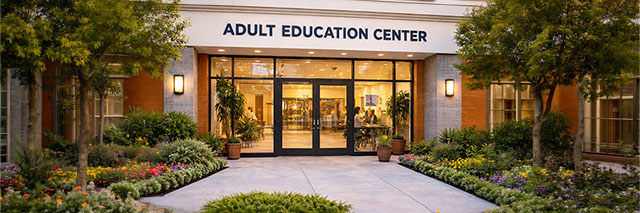
Professional Philosophy
Success in Adult Basic Education is not just about test scores or completion rates, though those matter. It is about creating belonging, opening doors, and helping people see themselves differently.
My philosophy centers on three core beliefs:
Students Feel Seen
Strong programs recognize the full lives students lead, including work, family, and personal challenges, and adapt to meet them where they are.
Staff Feel Empowered
Practitioners need professional development, peer networks, and room to make decisions so they can lead with confidence and continue to innovate.
Communities Invest
Adult Basic Education grows stronger when local employers, libraries, and community organizations treat it as essential infrastructure and support it through resources, partnerships, and shared commitment.
Adult Basic Education works best when learners are met with dignity, practitioners are trusted to lead, and communities treat education as shared infrastructure.
Methodology: Practitioner-Led Systems Change
I believe effective systems change begins with the people closest to the work. When practitioners are trusted with the tools, support, and authority to lead improvement, they create solutions that are more responsive, sustainable, and grounded in real community needs.
This approach is shaped not only by my professional experience, but also by my journey as a student and my work in national student leadership and advocacy spaces through COABE and SAAEF.
- Prioritize Lived Experience: I center the voices of students and frontline staff to better understand and address systemic barriers.
- Foster Collaborative Networks: I believe strong programs grow stronger when practitioners have opportunities to share strategy, exchange ideas, and support one another across organizations and regions.
- Encourage Experimentation: I value environments where new approaches can be tested, refined, and improved without fear of blame.
- Document and Share What Works: I believe successful practices should be captured and shared so programs can learn from one another and build on proven ideas.
- Advocate for Strategic Resources: I use field-level insight to help inform conversations around policy, funding, infrastructure, and long-term support.
This approach builds on the expertise that already exists within programs and communities. Rather than importing solutions from the outside, it focuses on recognizing local wisdom, strengthening internal capacity, and creating the conditions for lasting improvement.
How This Shows Up In Practice
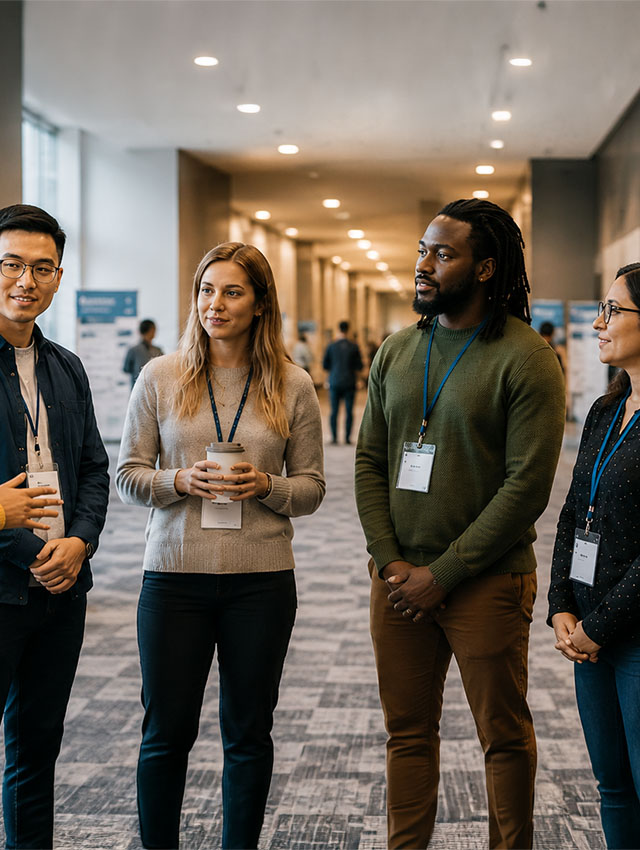
My approach is not just theoretical. It grows out of lived experience, practical work in adult education, and a belief that the people closest to the work often have the clearest insight into what needs to change. In practice, that means creating space for reflection, listening, collaboration, and improvement grounded in real student and staff experience.
Listening Sessions with Students or Staff
Creating space for honest conversation helps programs better understand barriers, strengths, and opportunities that may not show up in formal data alone.
Program Reflection Around Barriers and Persistence
Supporting teams as they examine where students are getting stuck, what persistence really requires, and how programs can respond more effectively.
Sharing Field Insight with Partners or Funders
Bringing practical, on-the-ground perspective into conversations with partners, stakeholders, and funders so decisions stay connected to real program realities.
Helping Teams Frame Data Through Student Experience
Using student voice and lived experience to help programs interpret data in ways that are more human, useful, and actionable.
Supporting Peer Learning Among Practitioners
Helping create opportunities for educators, coordinators, and staff to learn from one another, share strategies, and strengthen the work together.
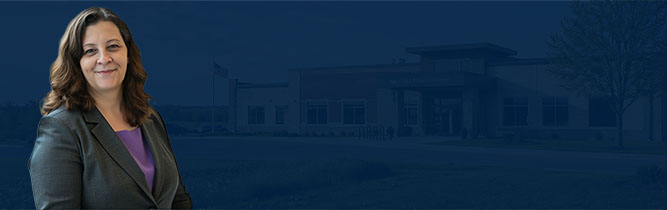
“I enjoy sharing my story and experiences in ways that spark conversation, reflection, and connection.”
Why the Midwest Matters
The Midwest holds both unique challenges and deep strengths in Adult Basic Education. Our communities stretch across rural areas and mid-sized cities, often with limited resources but strong determination and connection. Through years of working in these landscapes, I have seen how meaningful change happens when it is led by the people closest to the work.
The Reality We Face
- Geographic isolation that can limit access to classes and services
- Funding constraints that require creativity and collaboration
- Aging infrastructure in schools, nonprofits, and community spaces
- Communities working to retain young talent and local leadership
The Strengths We Build On
- Strong community ties and mutual support
- Educators and staff who truly know their students
- Local employers invested in workforce development
- Culture that values practical, hands-on learning
Why I Believe in Midwest Innovation:
I have seen firsthand how practitioner-led change can strengthen systems. When teachers, coordinators, and frontline staff are empowered to lead, they create solutions that reflect local needs and values. This is not about importing ideas from elsewhere. It is about recognizing the wisdom already present in our communities and building structures that help it grow.